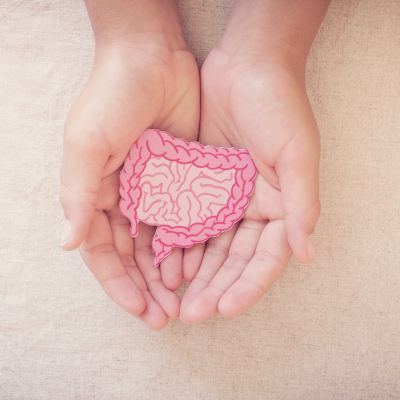
Do you know what your gut actually does—beyond digestion? Most people think it’s just about breaking down food, but your gut is so much more than that. It’s deeply involved in hormone regulation, inflammation control, immune responses, sleep, and even how we feel emotionally. During the menopause transition, the gut takes on a new level of importance, and yet it’s often overlooked when women are trying to feel better.
I’ve worked with many women in midlife who are doing everything they think they should—eating well, staying active, managing stress—and still feel bloated, foggy, or low on energy. They can’t quite explain what’s wrong. But time and again, their gut tells the real story. As estrogen levels drop, the gut lining becomes more vulnerable, and changes in the microbiome can make it harder to absorb nutrients or maintain hormone balance. The gut is also part of a larger system involving the liver, which processes and clears hormones. If this system isn’t working efficiently—because of inflammation, dysbiosis, or sluggish digestion—then hormones can circulate longer than they should, worsening symptoms like hot flushes, sleep disturbances, and mood swings.
The gut also contributes to chronic low-grade inflammation, something we now understand as a key player in menopause symptoms. When the gut barrier is compromised, inflammatory molecules can leak into the bloodstream and trigger immune responses, which affect everything from joint health to brain function. Women often describe this as “feeling inflamed from the inside out.” And they’re not wrong. Supporting the gut isn’t just about avoiding discomfort—it’s about helping your entire system work better during a time when everything is in flux.
Gut health also affects your ability to absorb key nutrients—such as magnesium, B vitamins, zinc, and iron—which are critical for energy production, mood regulation, sleep quality, and even muscle function. If the microbiome is out of balance or the gut lining is inflamed, it becomes harder for your body to make use of the nutrients you’re putting in. This can lead to deficiencies even if your diet looks “healthy” on paper. I often hear from women who feel like they’re doing everything right—but their body simply isn’t responding. That’s often a gut issue in disguise.
Then there’s the gut-brain connection. Your gut produces around 90% of the body’s serotonin, a neurotransmitter that affects mood, sleep, and emotional stability. This connection is so strong that scientists often refer to the gut as the “second brain.” When the gut is out of balance, it’s not uncommon to experience mood swings, anxiety, or low motivation—even if you’re not entirely sure why. And again, this often becomes more noticeable during menopause when hormones are already fluctuating and stress resilience is lower.
It’s easy to fall into the trap of looking for a quick fix—maybe a probiotic or a digestive supplement—but the gut is a dynamic, responsive ecosystem. It’s influenced by sleep, hormones, nutrition, stress, medications, and your overall lifestyle. That’s why a pill alone isn’t enough. If you’re eating well but still feel bloated or tired, your gut might be trying to tell you that it needs a different kind of support.
In my menopause program, we explore these connections in more depth. You’ll learn how the gut and hormones interact, how inflammation gets triggered, and what it means to restore balance—not through restriction or fads, but by understanding the bigger picture of what your body is going through. It’s not about chasing symptoms. It’s about building real foundations. We also talk about practical ways to reduce gut stress, support the microbiome, and rebuild resilience from the inside out—because healing starts there.
References
- Menopause and the Microbiome. (2020). Endocrinology Journal. https://doi.org/10.1210/endocr/bqaa179
- Tremellen, K., & Pearce, K. (2012). Dysbiosis of Gut Microbiota (DOGMA) – A novel theory for the development of Polycystic Ovarian Syndrome. Medical Hypotheses, 79(1), 104–112.
- Org, E., Mehrabian, M., & Lusis, A. J. (2015). The Gut Microbiome in Cardiometabolic Health. Genome Medicine, 7(1), 33.
- Clarke, G. et al. (2014). Minireview: Gut microbiota: the neglected endocrine organ. Molecular Endocrinology, 28(8), 1221–1238. https://doi.org/10.1210/me.2014-1108
- Integrative Approaches to Menopause. (2021). Institute for Functional Medicine. https://www.ifm.org/news-insights/microbiome-and-hormones-during-menopause/
This blog is for educational purposes only and does not replace medical advice.